 Save 15%
Door collections
Door collection
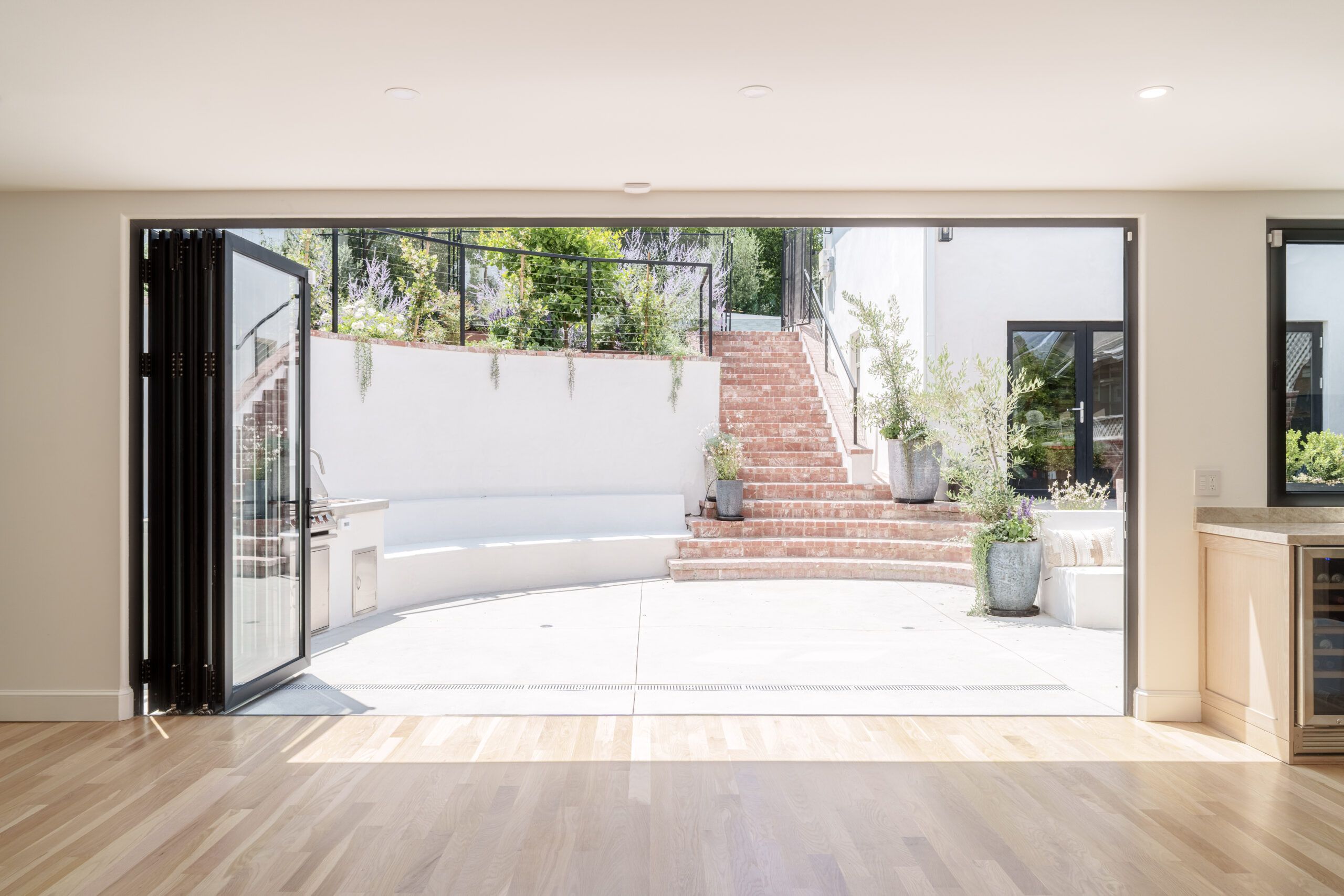
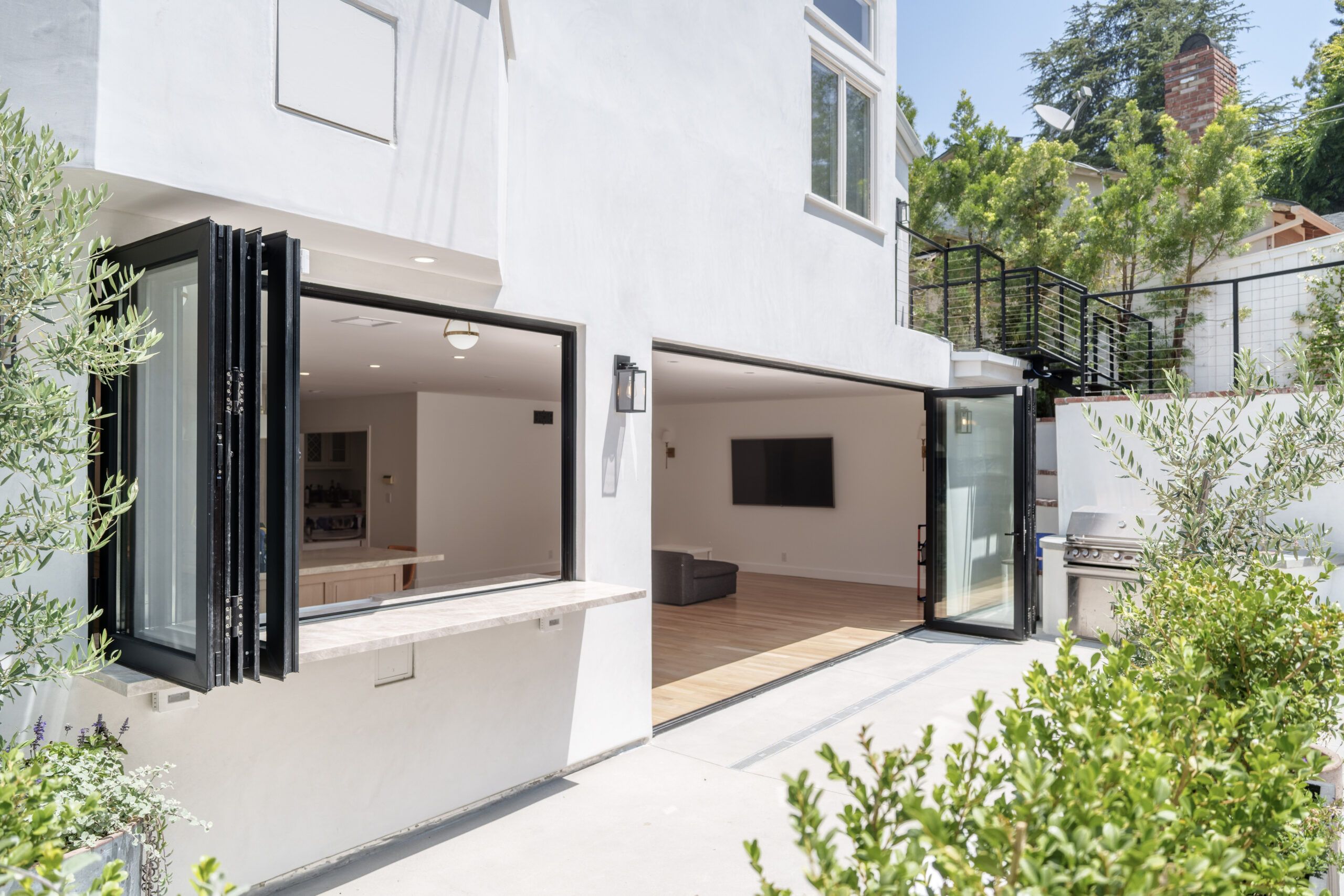
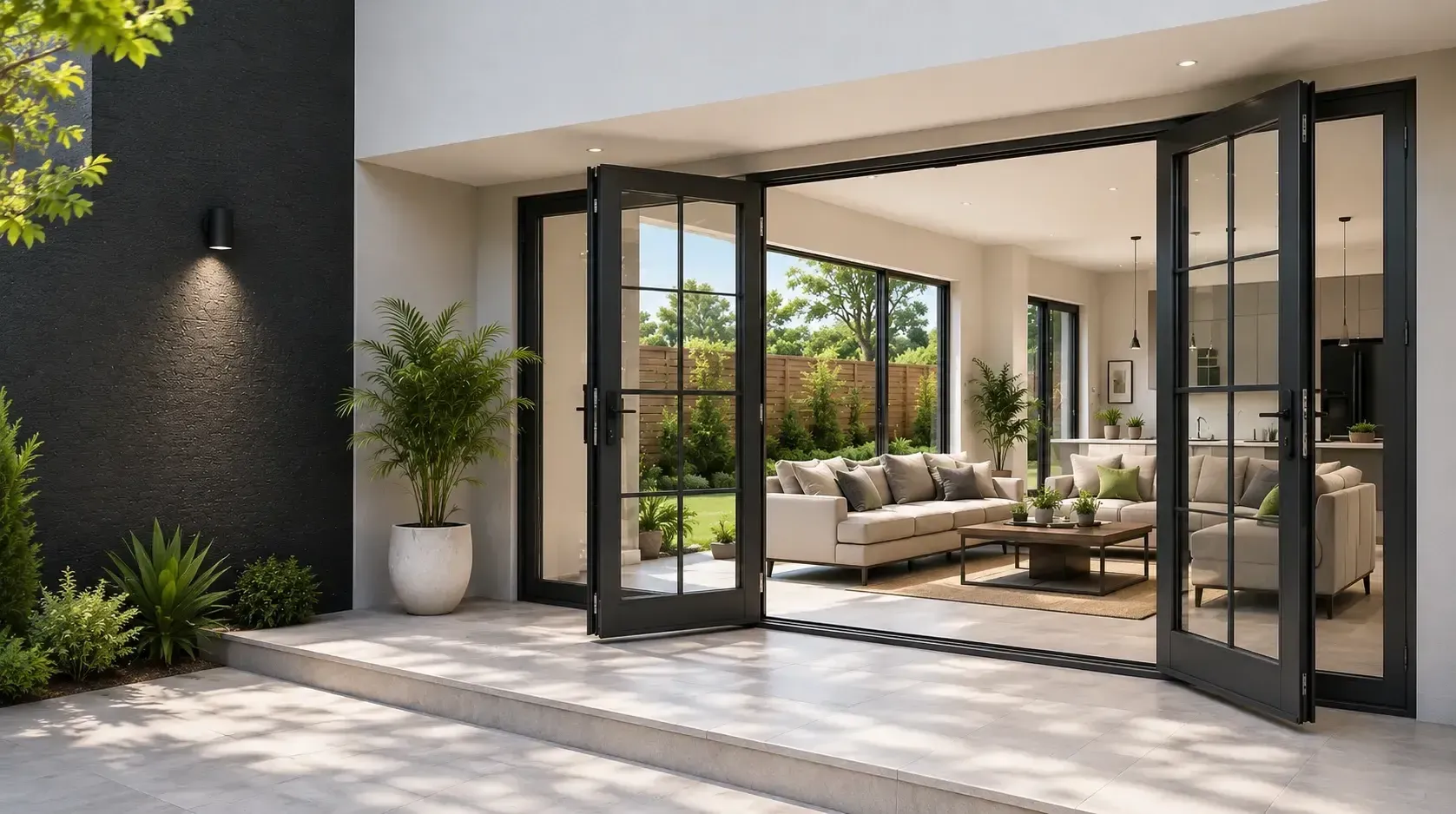
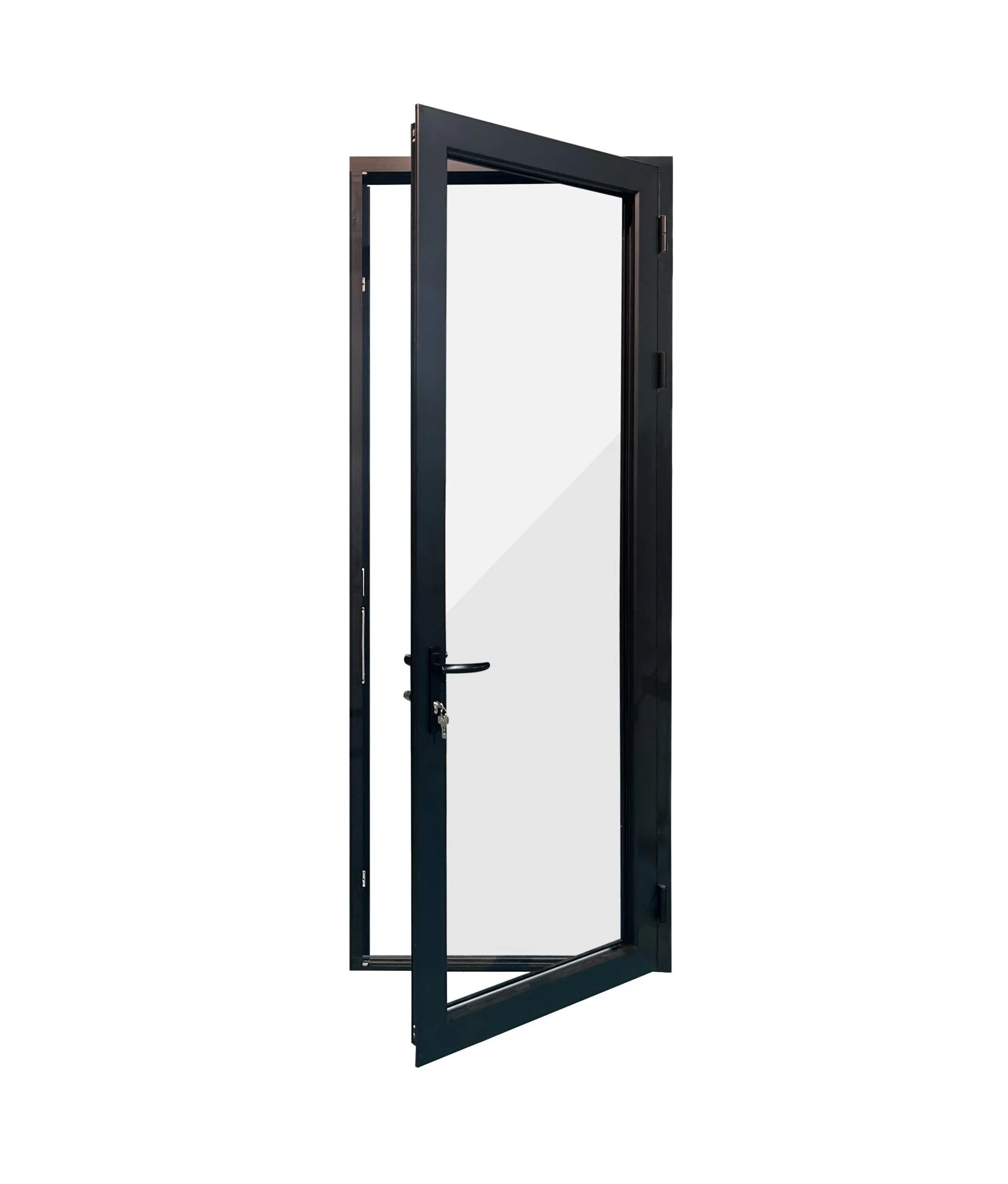
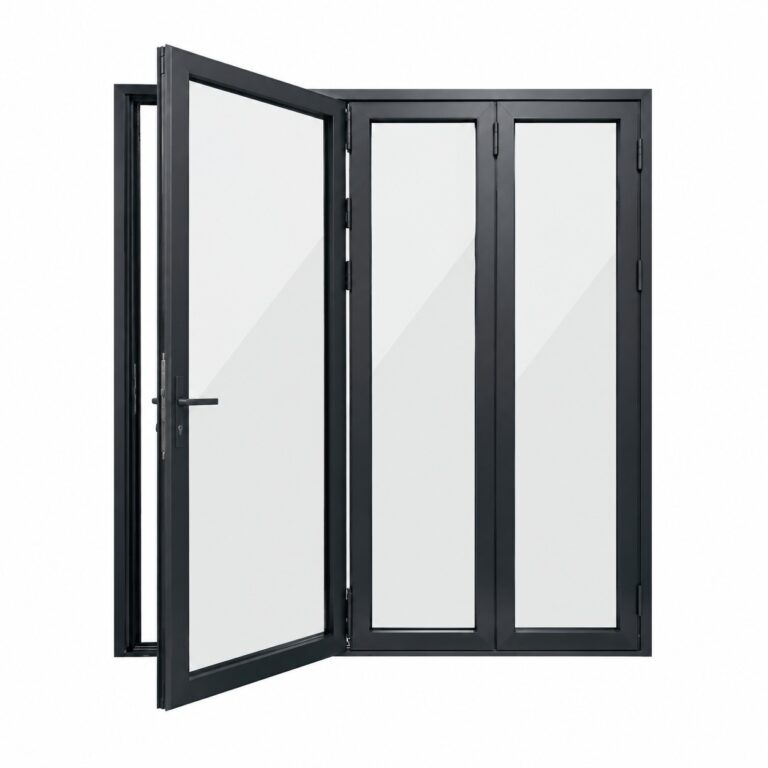
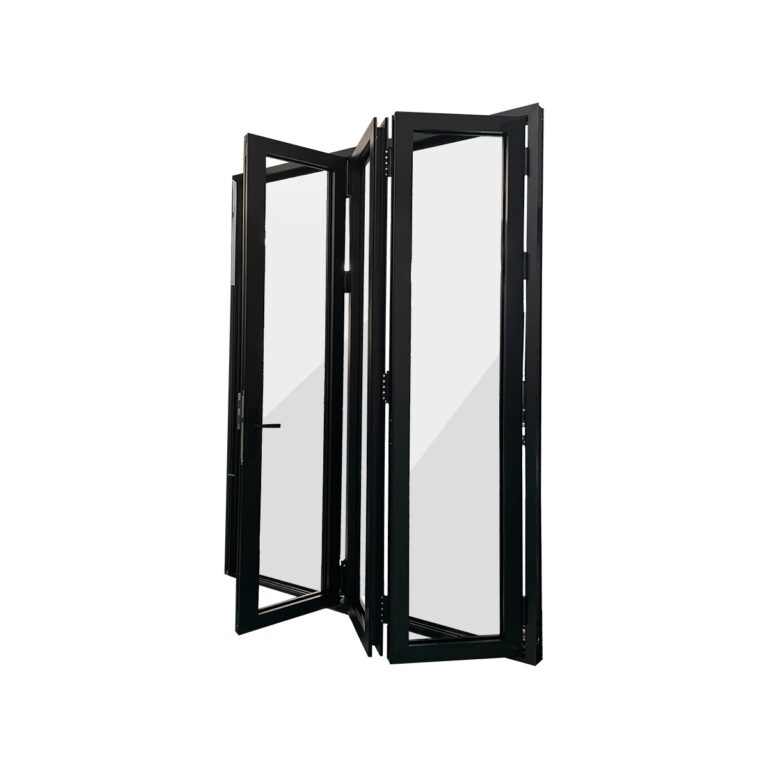
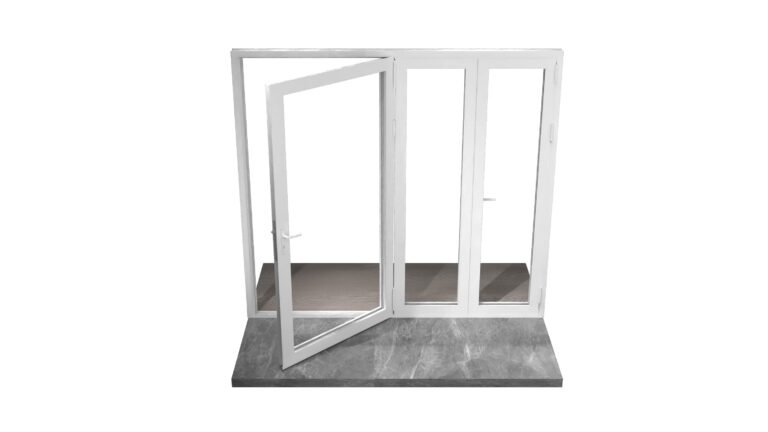
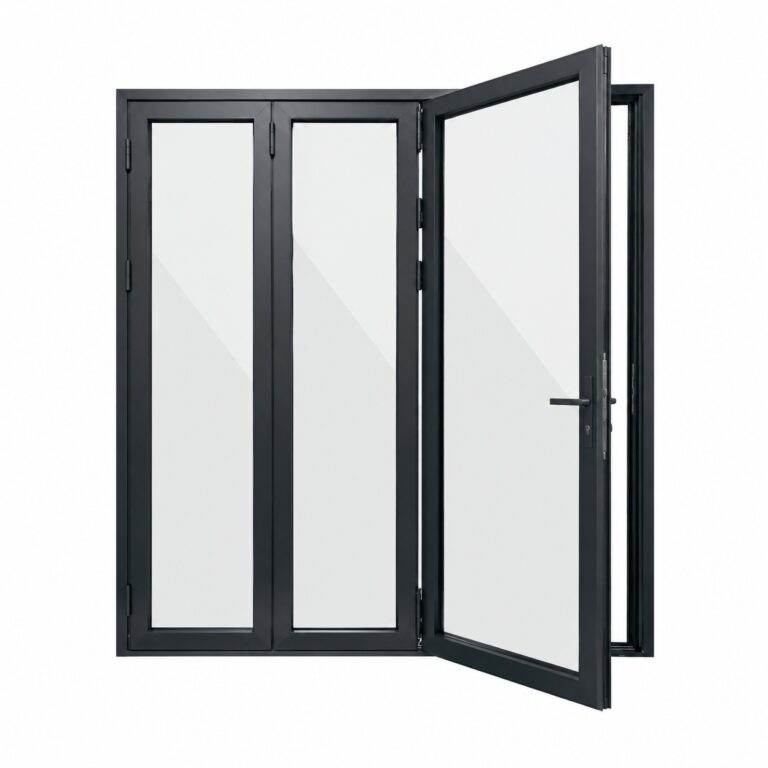
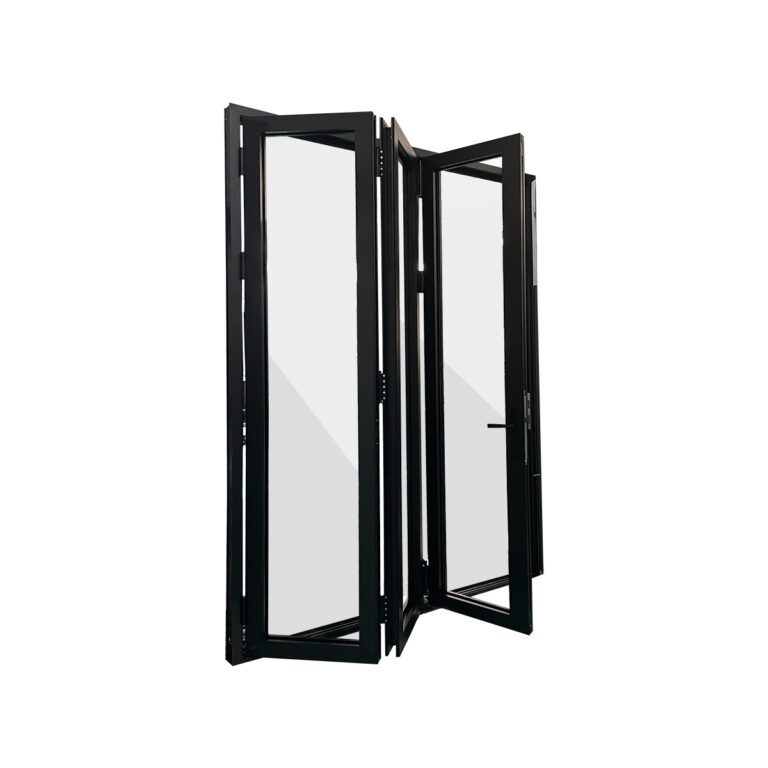
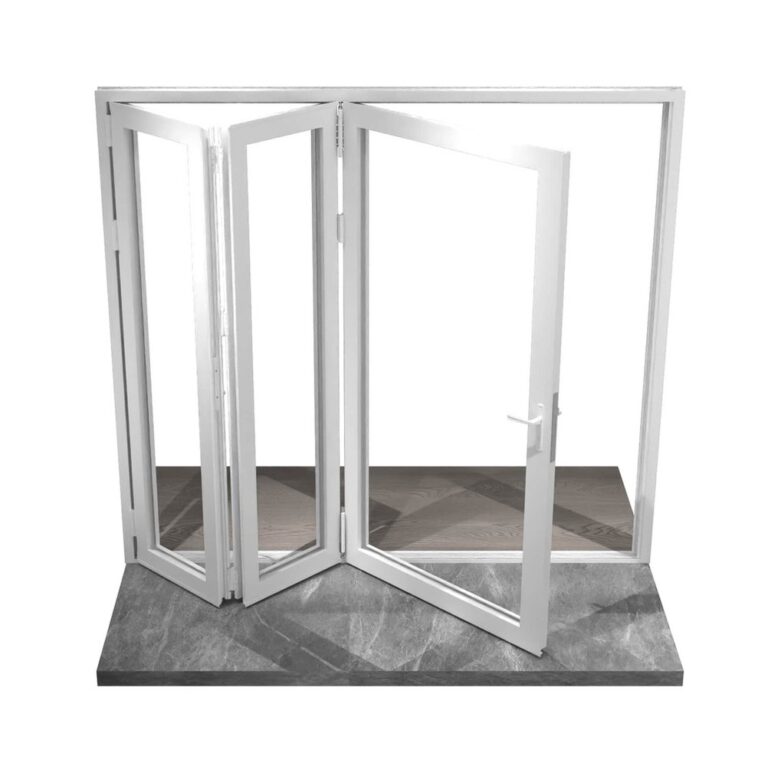
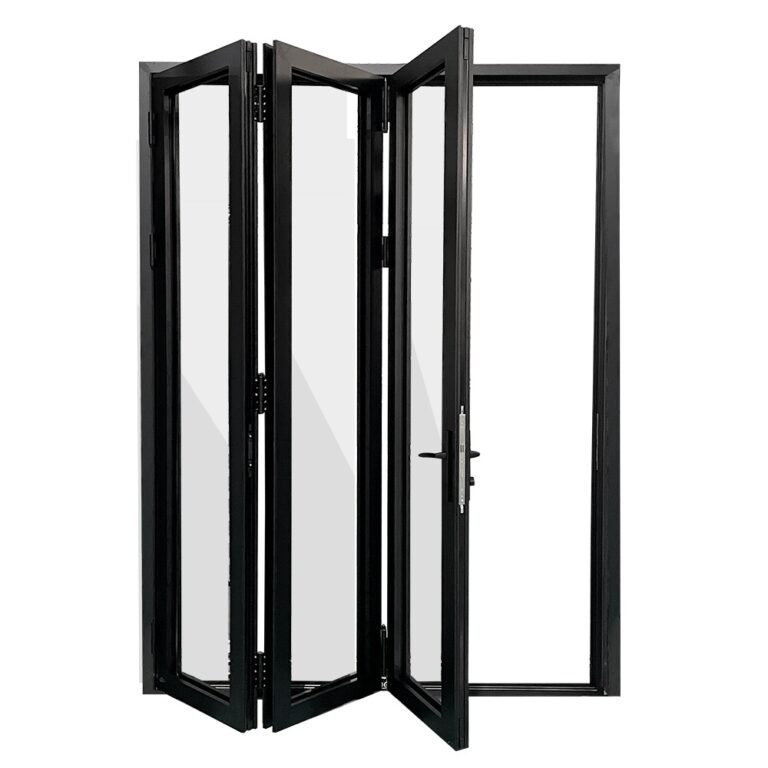
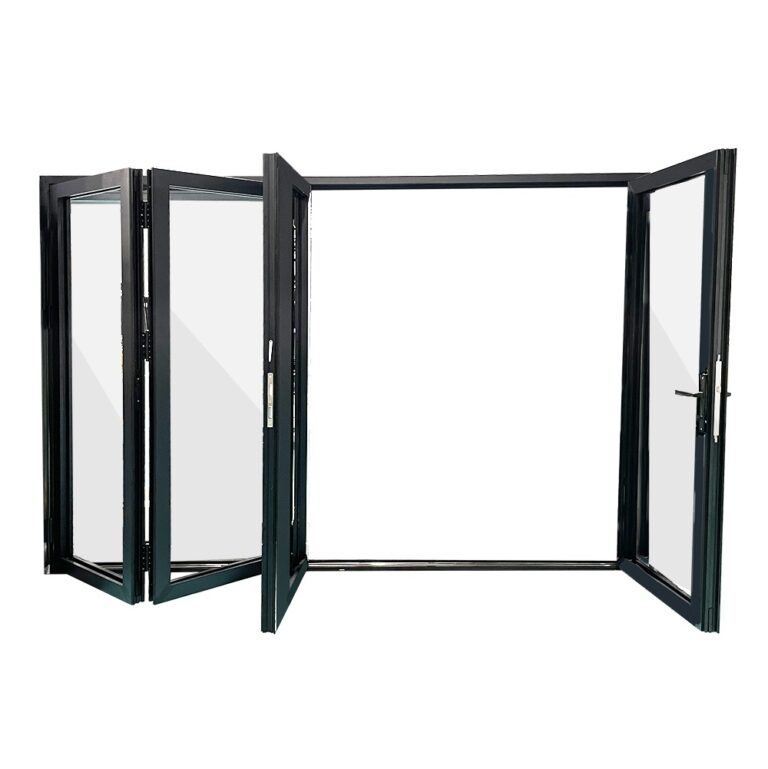
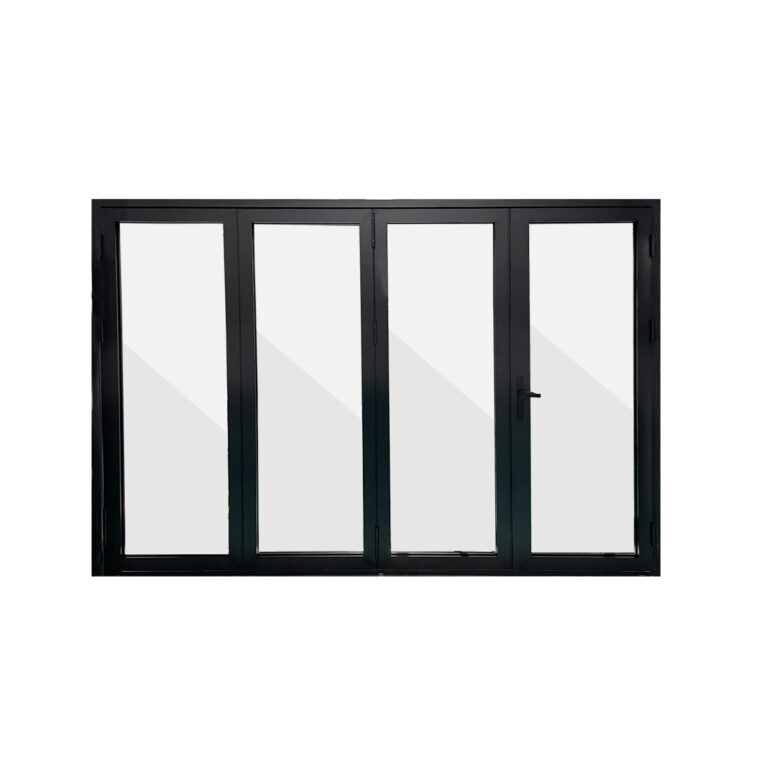
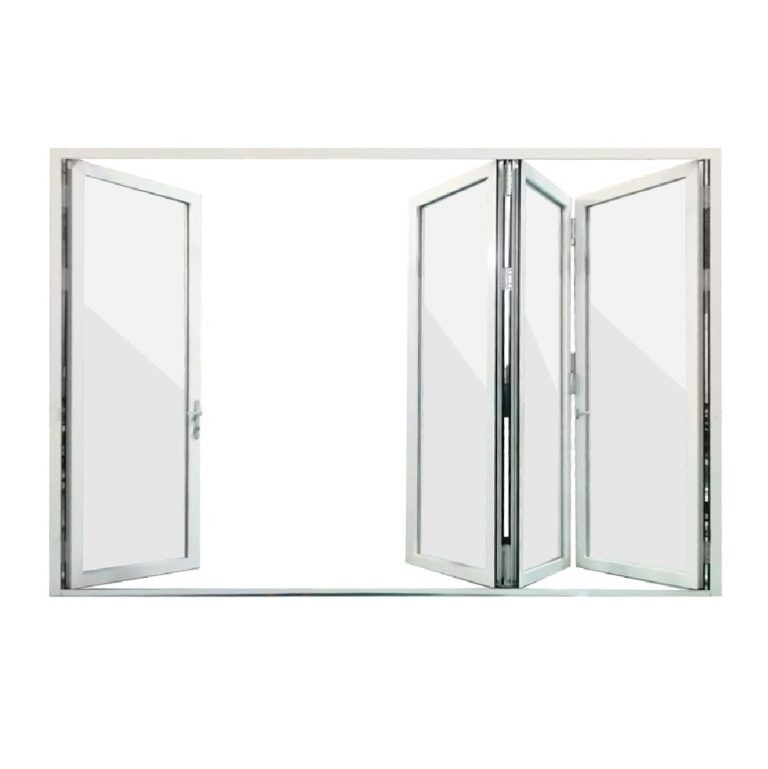
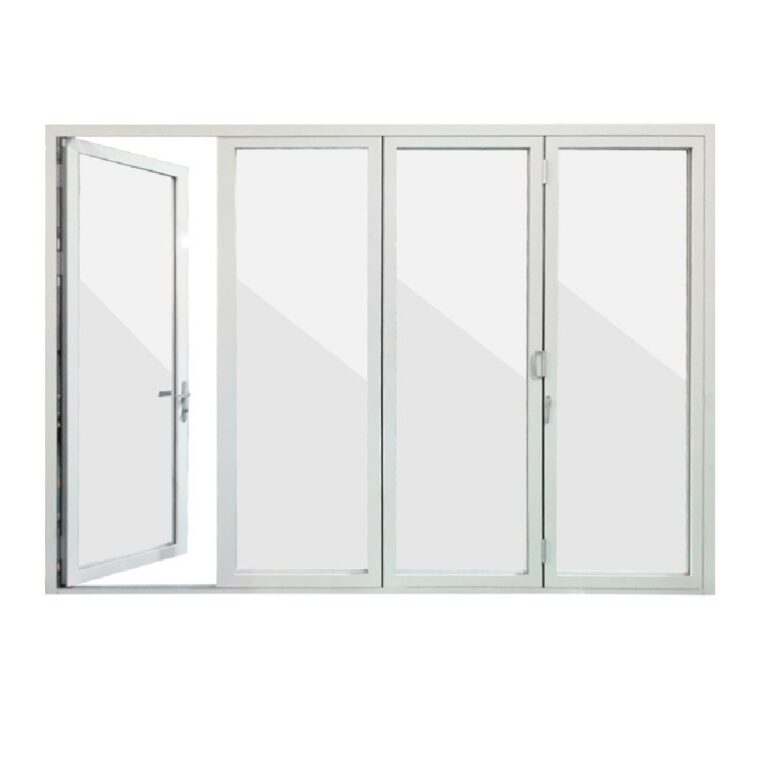
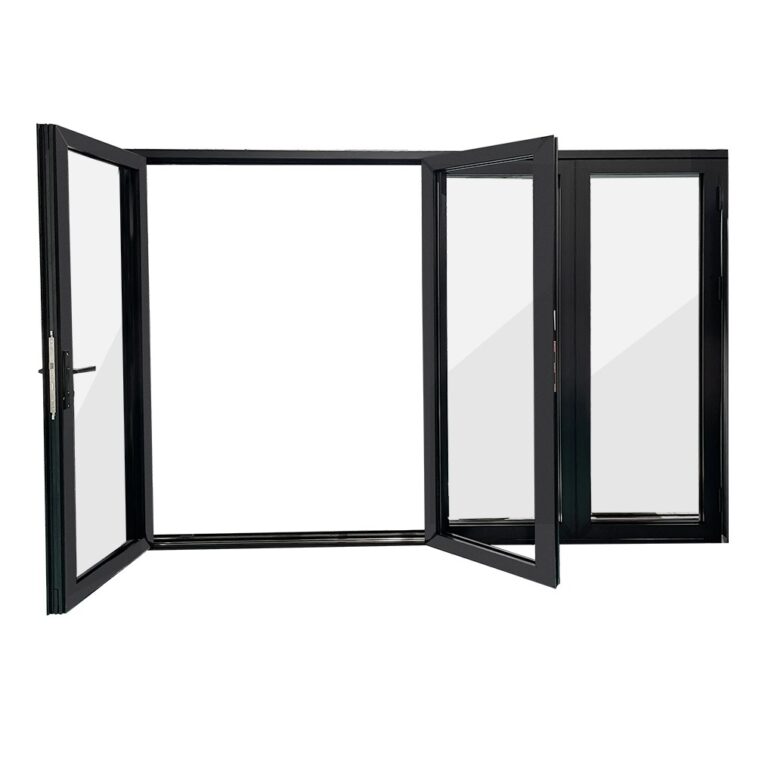
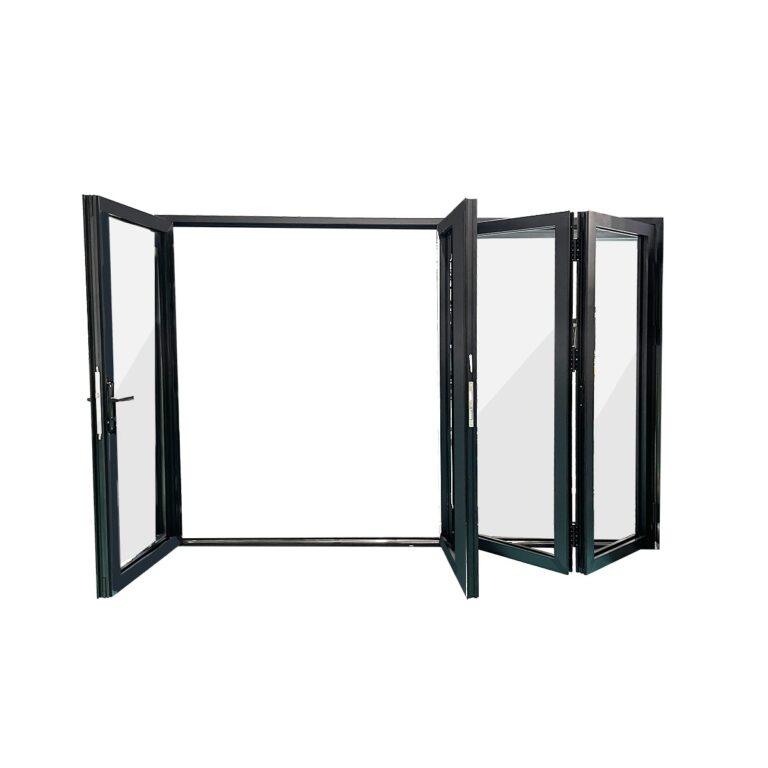
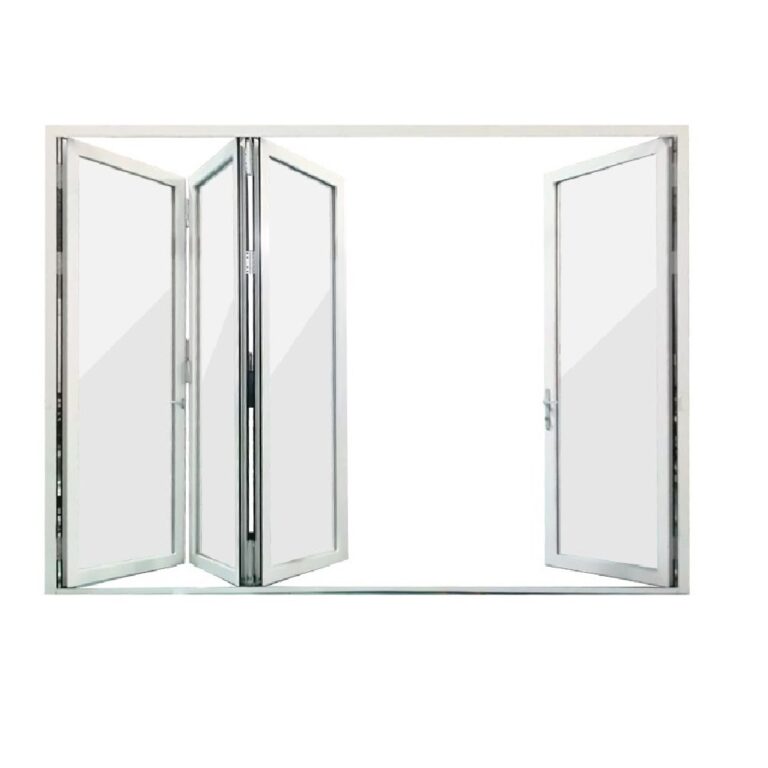
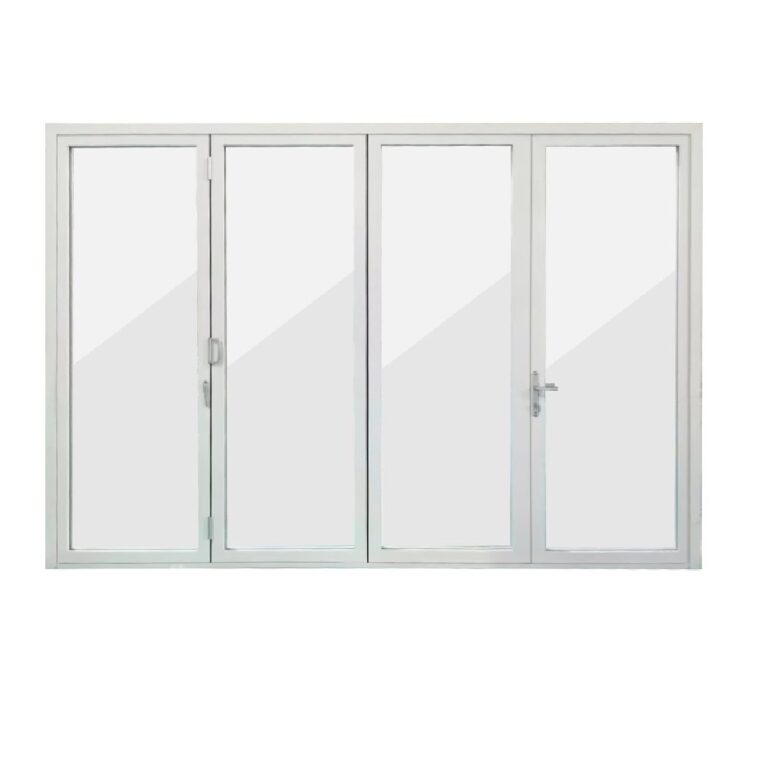
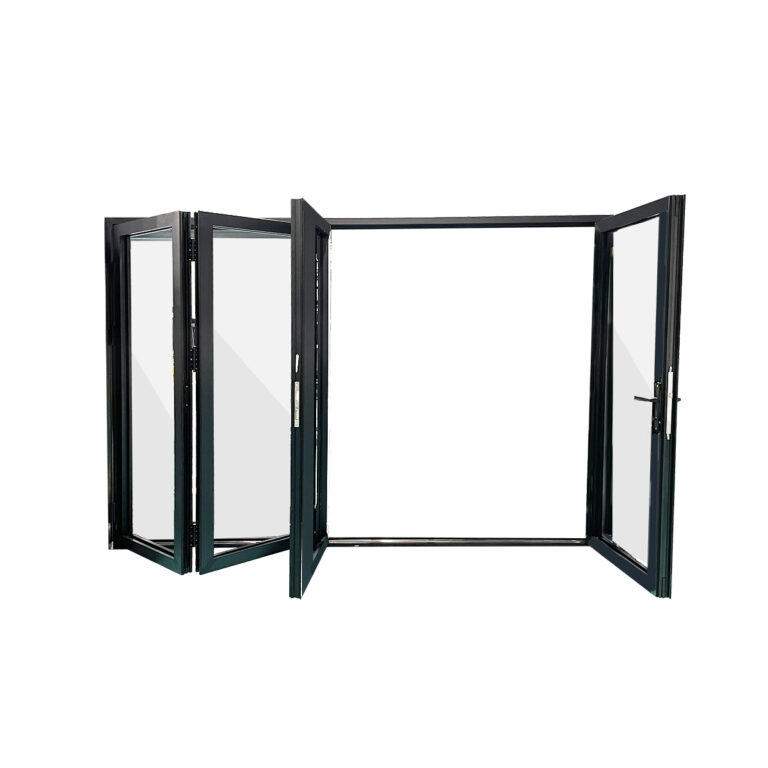
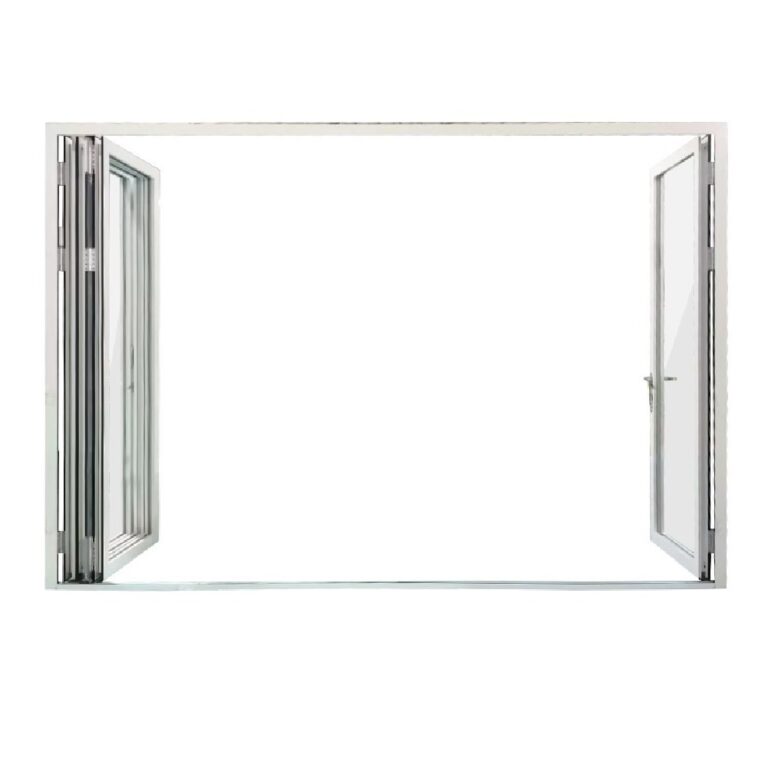
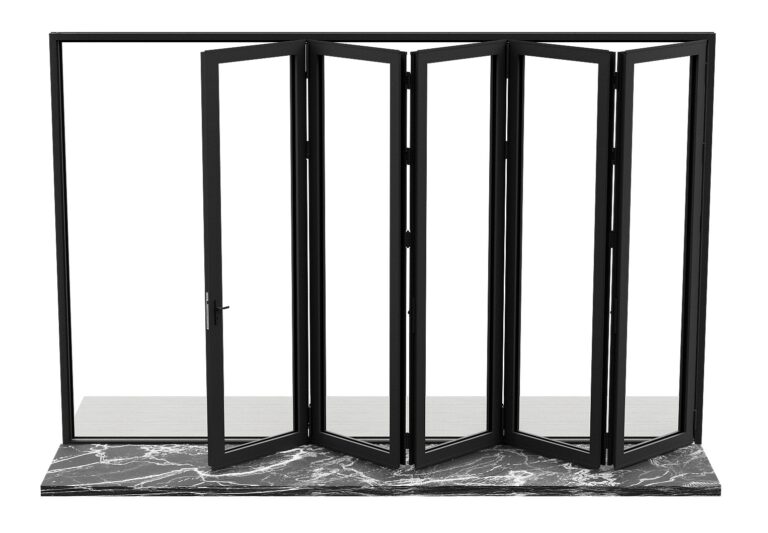
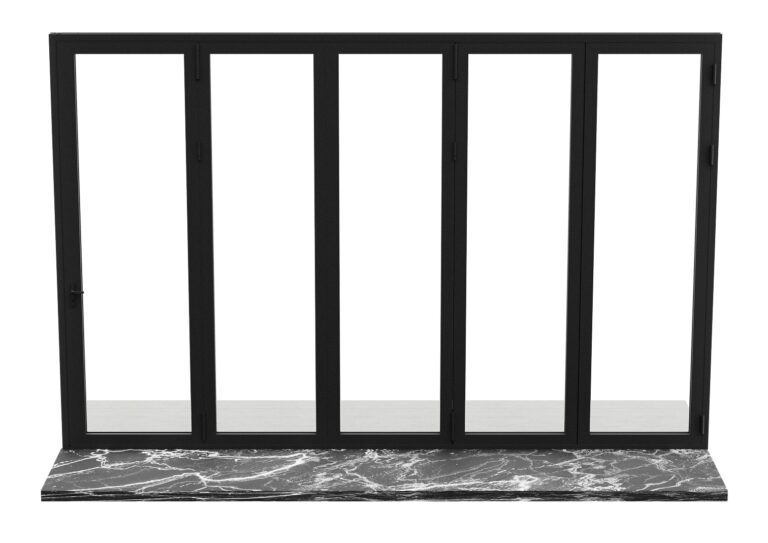
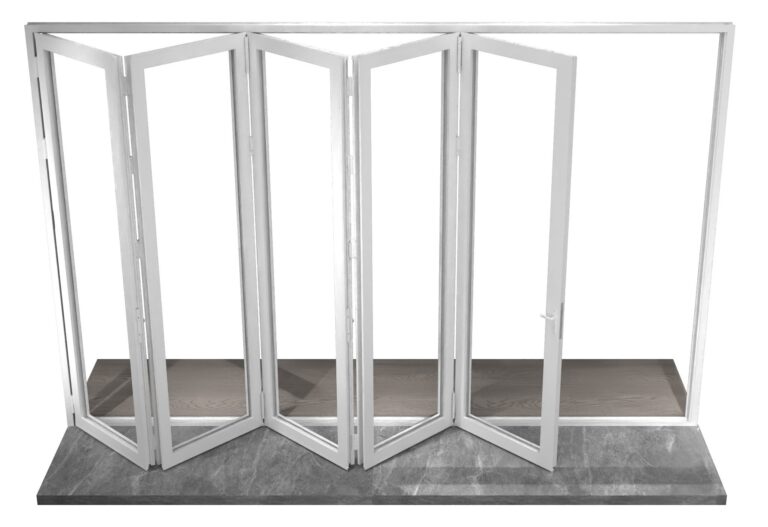
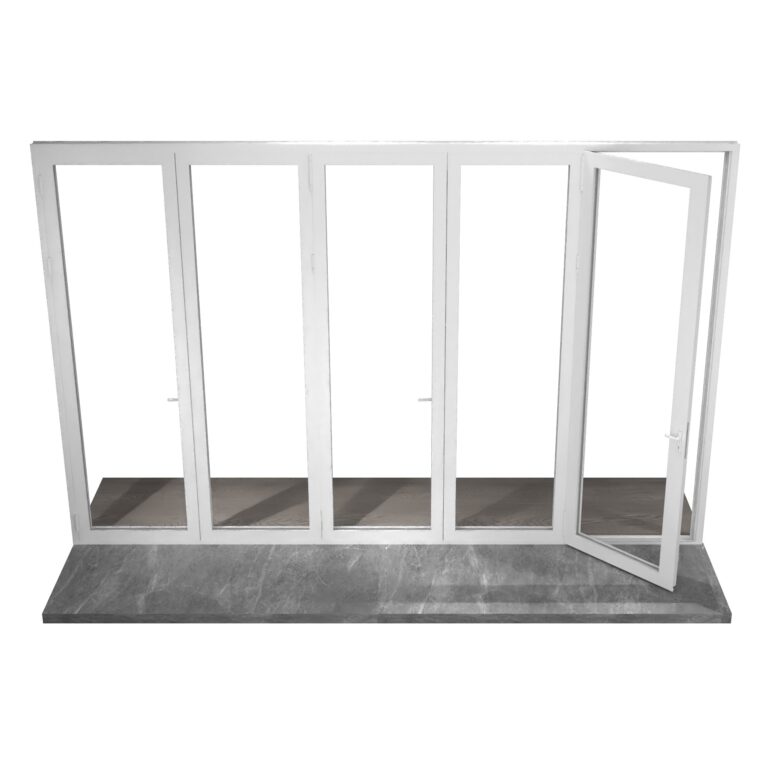
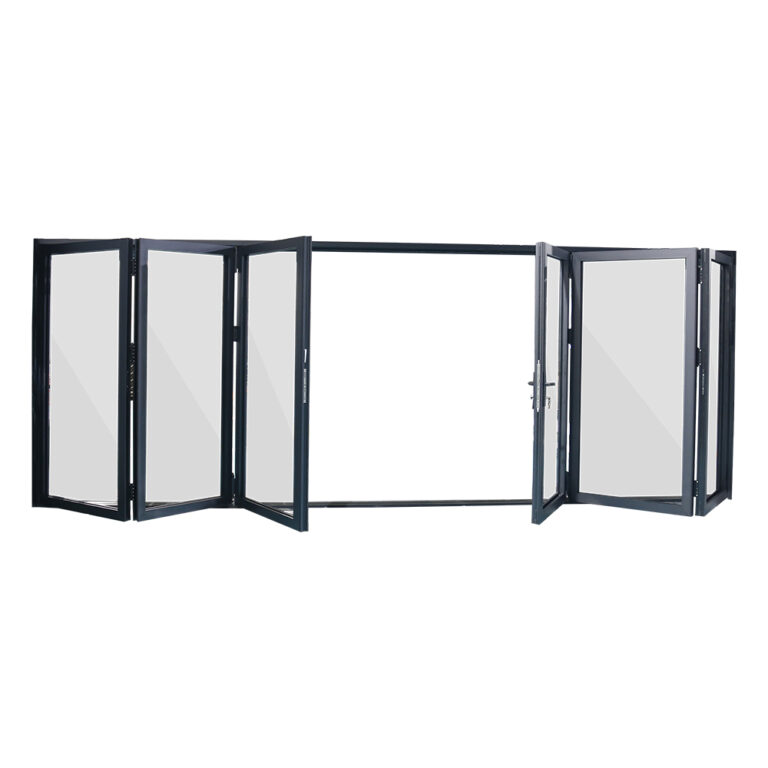
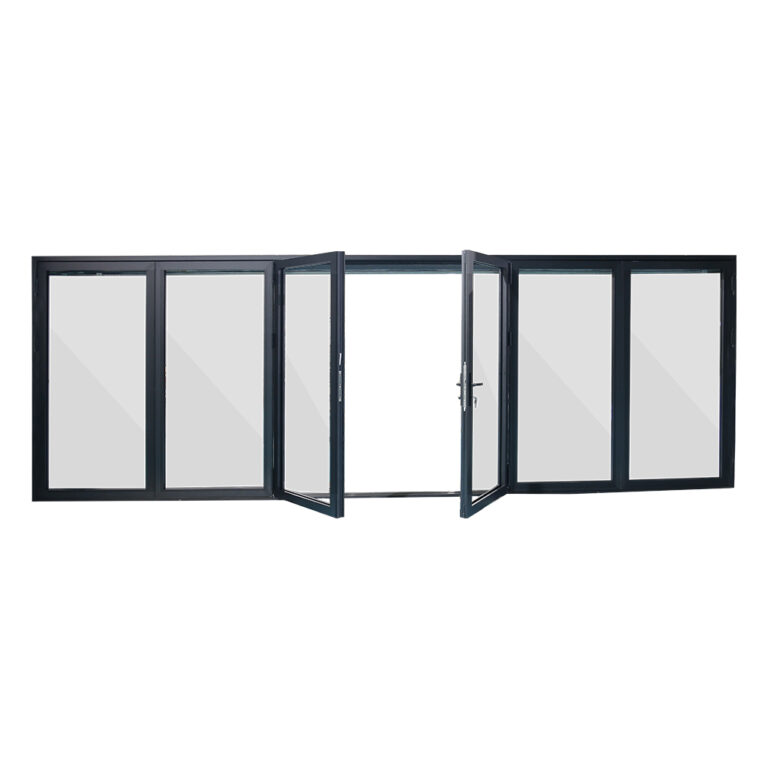
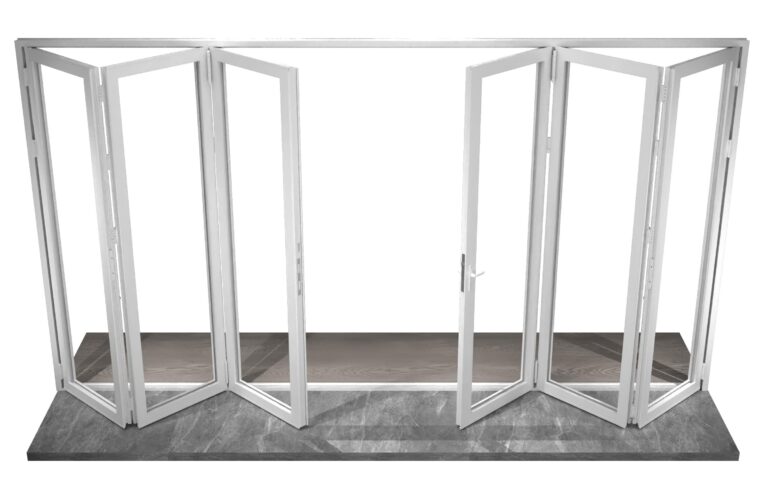
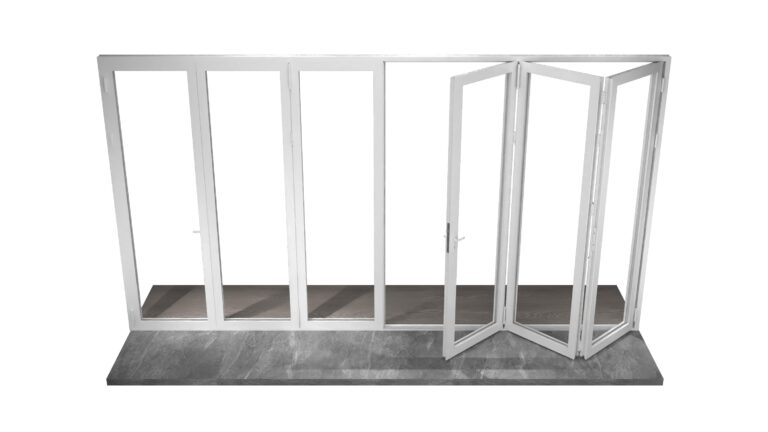
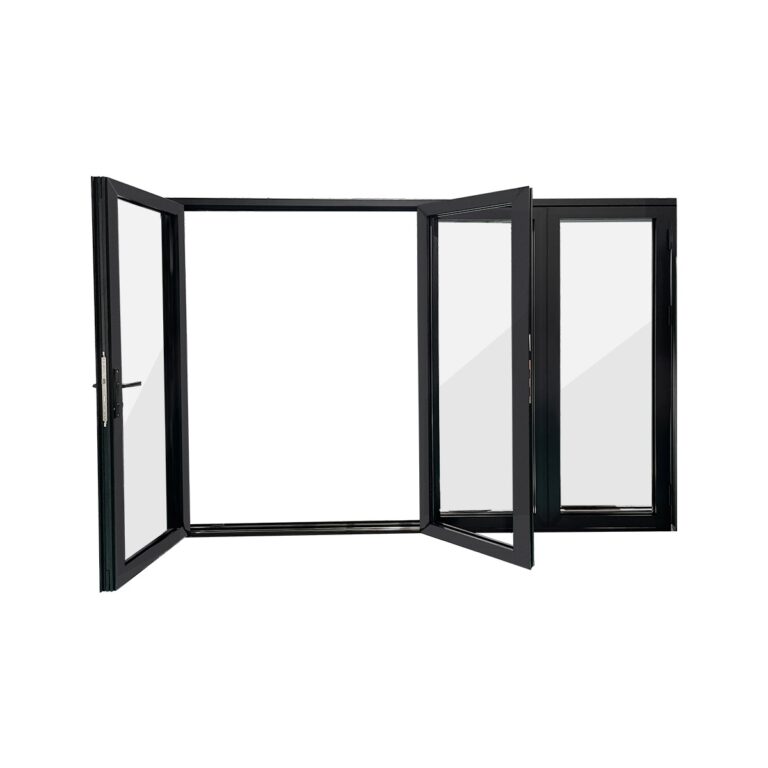
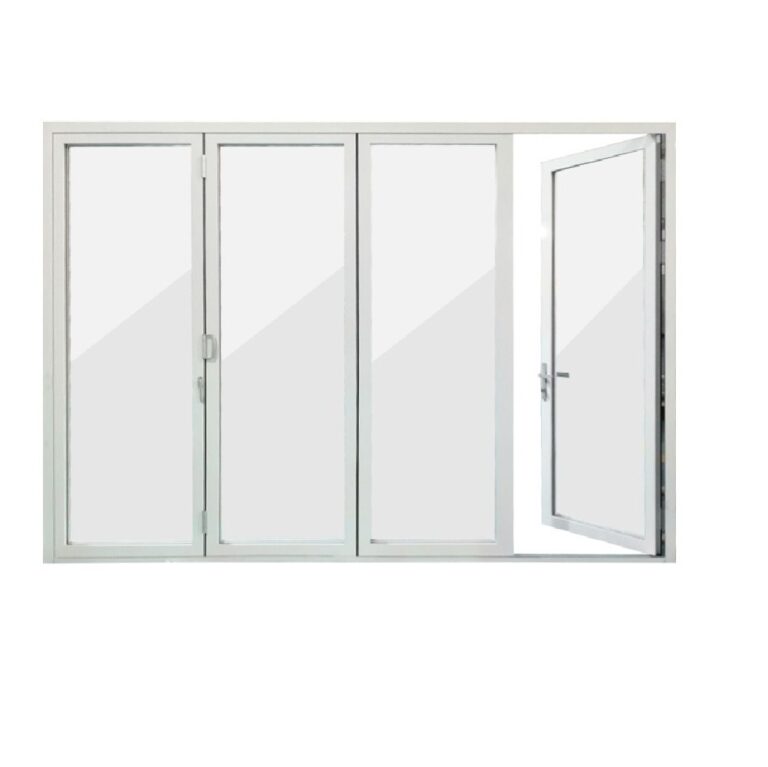
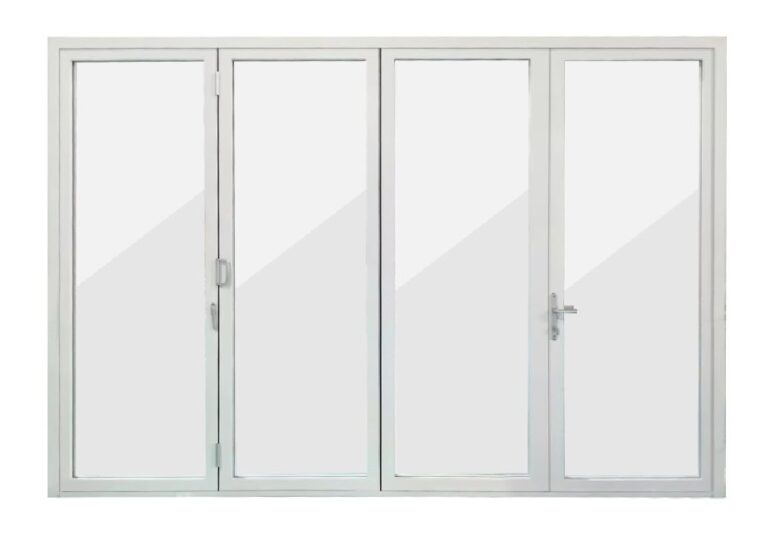
Eris bifold doors come with a multi-point locking system and a cylinder lock. This kind of lock is a cylinder that runs through the center of the lock and into the door, therefore inside the cylinder is a pin-and-tumbler mechanism that can only be manipulated with the correct shaped key. Without the right key, the pins won’t move and enable the lock to turn.
Shop the collection
Save 15%
 Save 15%
 Save 15%
 Save 15%
 Save 15%
 Save 15%
 Save 15%
 Save 15%Save 15%
 Save 15%Save 15%Save 15%
 Save 15%
 Save 15%
 Save 15%
 Save 15%
 Save 15%Save 15%Save 15%
 Save 15%
 Save 15%
 Save 15%
 Save 15%
 Save 15%
 Save 15%
 Save 15%Save 15%Save 15%Save 15%Save 15%Save 15%Save 15%Save 15%Save 15%Save 15%Save 15%
 Save 15%Save 15%Save 15%Save 15%Save 15%
 Save 15%Save 15%
 Save 15%Save 15%
 Save 15%
 Save 15%
 Save 15%Save 15%
 Save 15%


Specification
Width, height, rough opening and configuration are listed on each product page.
| Hardware | Heavy duty, easily glides, Matching Color |
|---|---|
| Frame | Thermally Broken Aluminum, Anti rust, Matching Color |
| Glass | Double Tempered, Dual Pane, Filled with Argon Gas, Low E |
| U-Factor | 0.29 |
| Solar Heat Gain Coefficient SHGC | 0.23 |
| Title 24 Compliant | Door meets CA Title 24 requirements |
| Warranty | 2 years for hardware and glass, 10 years for frame and structure. |
In depth
MULTI-POINT LOCKING SYSTEM
Eris bifold doors come with a multi-point locking system and a cylinder lock. This kind of lock is a cylinder that runs through the center of the lock and into the door, therefore inside the cylinder is a pin-and-tumbler mechanism that can only be manipulated with the correct shaped key. Without the right key, the pins won’t move and enable the lock to turn.
Our bifold doors come with a 6-point lock and 8-point lock depending on the size of the door and panels.
TWINPOINT LOCKS
This is possibly the most common and attractive locking system for bifolding doors. It is built around a handle at the center of your doors that will operate locks at the top and bottom, holding the doors in place when engaged.
DROPBOLTS
These are typical dropbolt locks that are affixed to the top and bottom of your doors and will add an extra layer of protection. However, we do not recommend relying on them as your only source of security.
DEADBOLTS
This system is typically installed as standard with your bi-folding doors and, in most cases, provides more than satisfactory performance. They can be controlled either with a key or with an internal, twist-lock mechanism.
Double tempered glass filled with argon gas.
Laminated filtered glass with argon gas
E Glass – 100% block UV (Type A & B) filled with argon gas
Tinted tempered glass filled with argon gas
Safety tempered glass filled with argon gas
Almost all thermal windows today use some type of gas fill, so the benefits of argon are similar for most new thermal windows
Improves U-value, the measure of a window’s thermal performance; similar to the R-value of wall insulation
Enhances soundproofing characteristics
Minimizes heat exchange through the window
Reduces the possibility of condensation and frost
Can be used in all climates
Can be combined with low-E coatings for optimal window performance
Available in residential and commercial window sizes and styles
Does not corrode window material as oxygen will
Does not contaminate the environment; non-toxic gas
Title 24, part 6, of the California Code of Regulations, sets energy efficiency standards for residential and non-residential buildings. If you’re building a new home, you should consider buying the most energy-efficient doors possible. When selecting doors for energy efficiency, it’s important to first consider their energy performance rating in relation to the local climate.
Look for a low SHGC in a climate that mainly requires cooling and a high SHGC in a climate that requires heating. The range is from 0 to 1. SHGC measures how well a product keeps out solar heat. Look for a low U-factor; the range is from 0.00-2.00. The lower the U-factor, the better the door keeps in heat.
The newly updated California code for residential fenestration requires U-factor ratings of 0.30 or better and Solar Heat Gain. Coefficient (SHGC) ratings of 0.23 or better.
Testimonials
Reviews posted on Google
Free, no-obligation estimate